
Responsibility

Sustainable delivery, not slogans

We measure success in tonnes moved and roads built — and in how fairly we treat people, land, and future generations around our worksites.

Local contentEnvironmentCommunities

IMS prioritises hiring and developing Malian and regional talent, procuring where quality and safety allow, and keeping procurement decisions transparent. Long-term partnerships with local suppliers strengthen the industrial base around our projects.

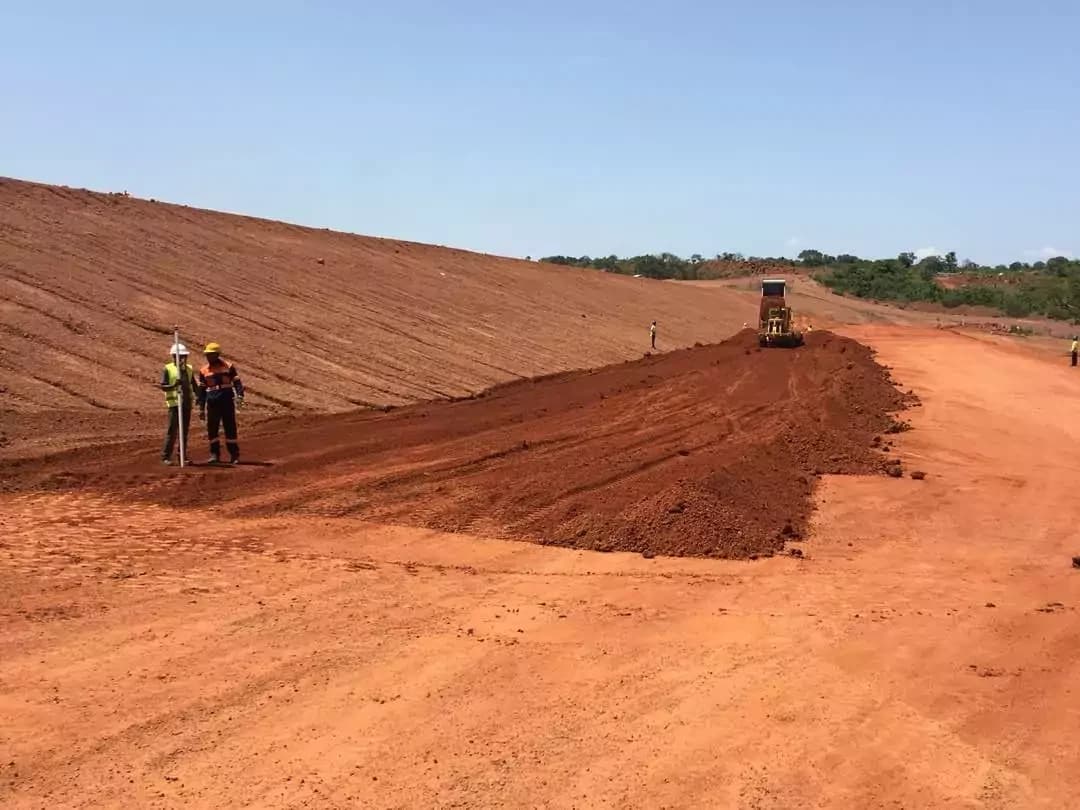
We design earthworks and infrastructure to minimise unnecessary disturbance, manage dust and noise, and contain hydrocarbons. Where rehabilitation is in scope, we work to agreed standards and hand back stable landforms.

Community engagement is coordinated with clients and authorities. We respect grievance processes, support agreed social investment where it aligns with our role, and communicate clearly when operations affect neighbours.
Local content

Workforce planning, skills transfer, and supplier development aligned with client and regulatory expectations.

Environment

Practical controls on water, waste, and emissions — monitored and adjusted as the project evolves.

Communities

Respectful presence, predictable communication, and collaboration on shared infrastructure where appropriate.

IMS · West Africa

Execution roadmap

How sustainability is embedded in delivery

Responsible delivery begins before mobilisation and continues through close-out. IMS considers local employment, supplier participation, fuel and water controls, waste streams, land disturbance, stakeholder interfaces, and rehabilitation obligations in work planning—then reviews performance as conditions and project priorities evolve.

  • 01Baseline & planning
  • 02Field controls
  • 03Review & adjustment

Execution roadmap

How sustainability is embedded in delivery

Baseline & planning

Initial environmental and social context is reviewed with clients before mobilisation decisions are locked.

Field controls

Daily operational controls are linked to measurable commitments on dust, waste, water, and community interface.

Review & adjustment

Indicators are reviewed periodically and mitigation plans are strengthened when trends move off target.

Impact assurance

How we keep sustainability commitments credible

Data traceability

Environmental and social indicators are documented with evidence suitable for audit and stakeholder review.

Community interface

Feedback loops with local stakeholders are maintained so concerns are logged, addressed, and communicated.

Adaptive mitigation

Controls are adjusted when indicators shift, with clear ownership and verification of effectiveness.

Responsibility

Sustainable delivery, not slogans

We measure success in tonnes moved and roads built — and in how fairly we treat people, land, and future generations around our worksites.